Planning a Tanzania Safari from Zanzibar: What You Need to Know
Why Combine Zanzibar with a Tanzania Safari?
Zanzibar draws visitors with its white-sand beaches, turquoise waters, and relaxed island pace. But Tanzania's mainland offers something entirely different: vast savannahs, dramatic wildlife migrations, and some of the best game viewing on the planet. For travelers who want both, a safari from Zanzibar provides a practical way to experience two distinct landscapes in one trip. The key is understanding how the logistics work, what to expect, and how to choose the right option for your interests and schedule.
How a Safari from Zanzibar Works
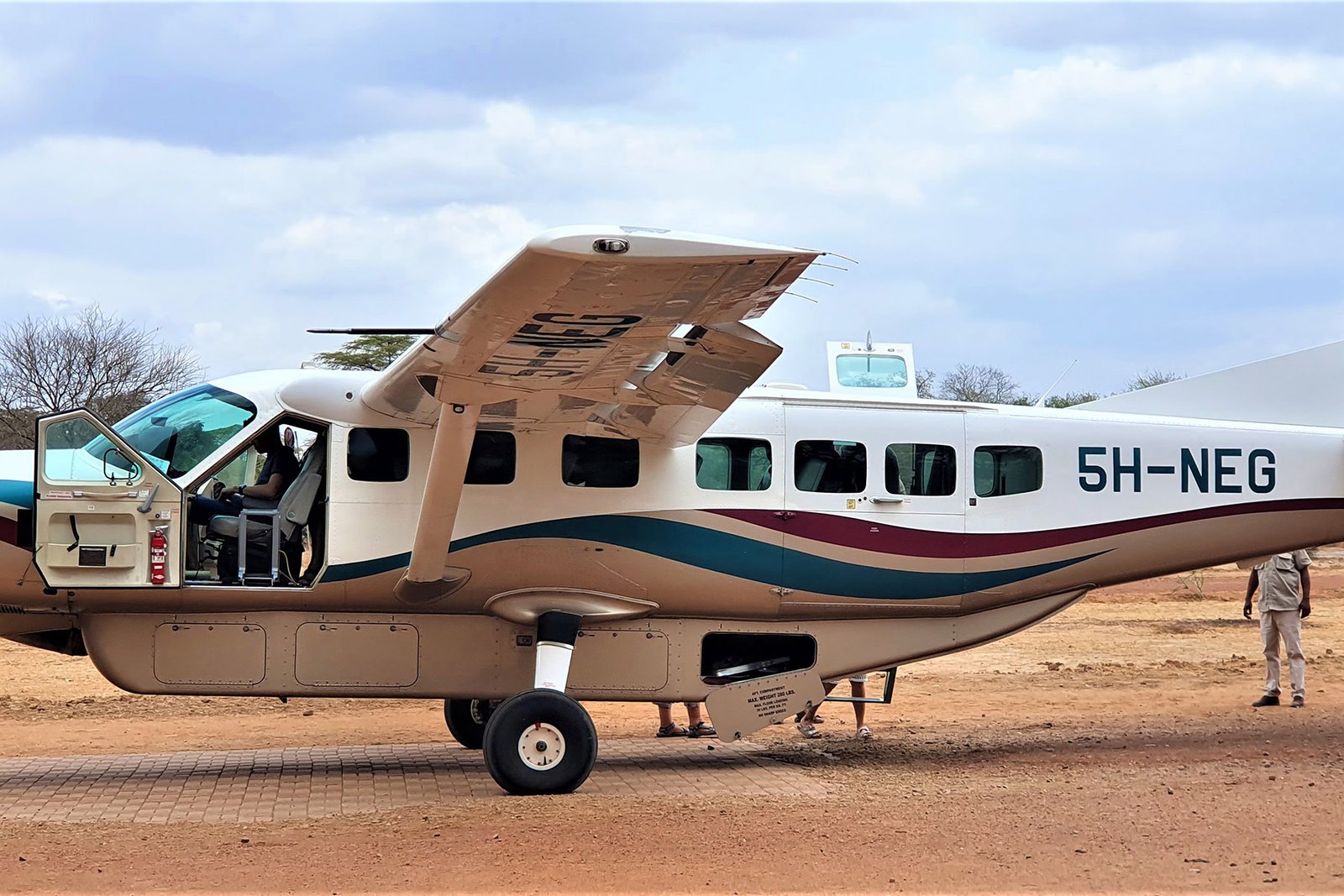
Zanzibar is an island off the coast of mainland Tanzania, separated by a stretch of the Indian Ocean. To reach the mainland safari parks, you have two main choices: fly or take a ferry and drive. Flying is by far the most common route for visitors short on time. Small aircraft connect Zanzibar's Abeid Amani Karume International Airport to several airstrips near the northern safari circuit, including those serving Arusha, Lake Manyara, and the Serengeti ecosystem. The flight takes around one to two hours, depending on the destination. Once you land, a guide meets you and transfers you directly to your lodge or camp.
The alternative is a combination of ferry and road travel. A high-speed ferry runs from Zanzibar to Dar es Salaam on the mainland. From there, a domestic flight or a long drive gets you to the parks. This route takes more time and is less common for a straightforward safari from Zanzibar, though it can suit travelers who want to add a stop in Dar es Salaam or who prefer to avoid flying. Most visitors, however, opt for the fly-in approach because it saves a full day of transit.
Which Parks Can You Visit?
The most popular parks for a short safari from Zanzibar are those in northern Tanzania. Serengeti National Park is the headline destination, famous for its vast plains, big cats, and the Great Migration of wildebeest and zebras. A fly-in safari from Zanzibar can land at one of the Serengeti's own airstrips, putting you right in the heart of the action. From there, you spend two or three days on game drives, exploring different regions of the park depending on the season and animal movements.
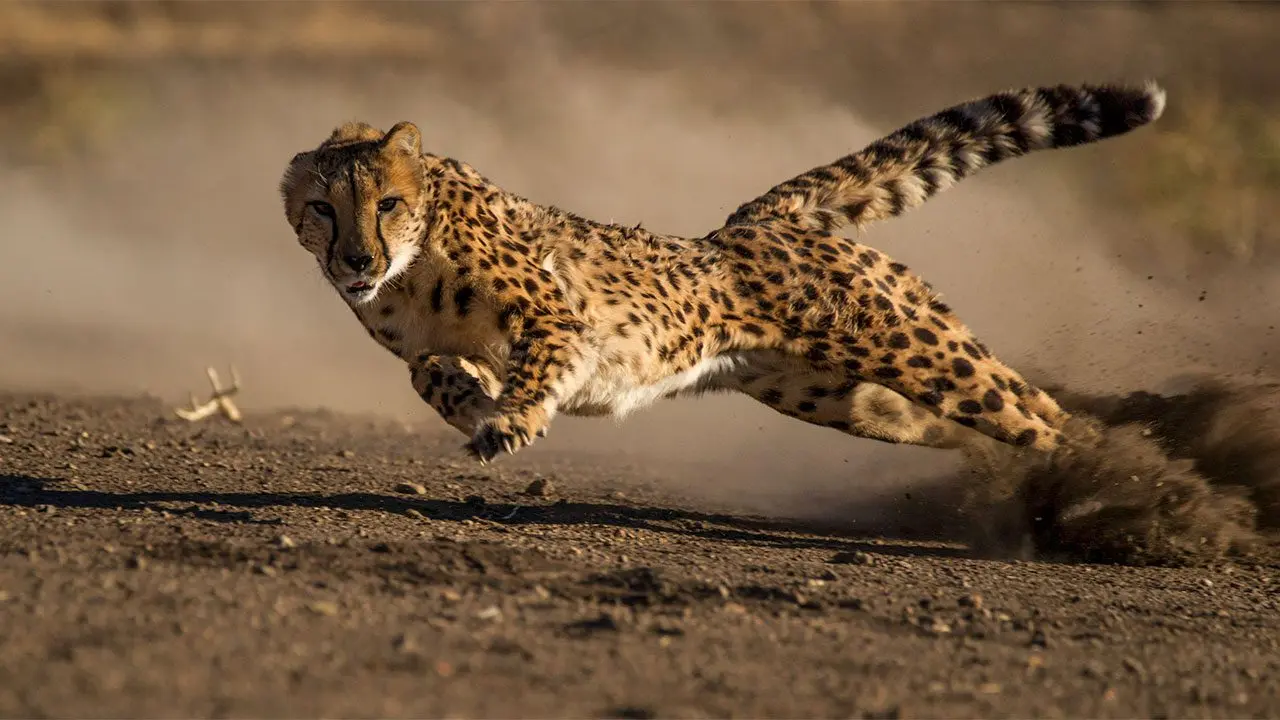
Another common stop is Ngorongoro Crater. This massive volcanic caldera has a unique ecosystem with a high density of wildlife, including lions, elephants, rhinos, and flamingos around the soda lake. Many itineraries combine a day in Ngorongoro with time in the Serengeti. Lake Manyara is also within reach, known for its tree-climbing lions and large flocks of flamingos. Tarangire National Park, famous for its elephant herds and baobab trees, is a bit farther but still possible for a longer safari from Zanzibar. The key is to match the park with the time you have available.
What a Typical Safari from Zanzibar Includes
Most safari packages from Zanzibar are built around a two-to-four-night stay on the mainland. A common template looks like this: you fly from Zanzibar to a Serengeti airstrip in the morning. A guide picks you up and drives you to your camp or lodge for lunch. That afternoon you head out for your first game drive, lasting until sunset. The next day includes a full day of game drives, with a picnic lunch in the bush. Depending on the package, you might move to a different camp within the park or stay in one location. On the final morning, you go on one last game drive before flying back to Zanzibar. Some itineraries add a night at Ngorongoro or Lake Manyara along the way.
Accommodation ranges from luxury tented camps with en-suite bathrooms and fine dining to more modest lodges. The choice affects the feel of the trip but not the wildlife experience. Even budget-friendly options place you close to the animals. Meals are typically included, as are park fees, guide services, and transfers. What you pay for is the convenience of having everything arranged: flights, transfers, accommodation, game drives, and a dedicated guide who knows the park well.
Wildlife Viewing: What to Expect
Tanzania's northern parks offer year-round wildlife viewing, but the experience shifts with the seasons. The dry season from June to October is the prime period for spotting predators and large herds as animals gather around water sources. The wet season from November to May sees more dispersed wildlife but also lush landscapes and plenty of newborn animals. The Great Migration, where over a million wildebeest and zebras move across the Serengeti in search of grazing, is a continuous cycle. The river crossings at the Mara River typically happen between July and October, though exact timing varies each year based on rainfall.
Even outside the migration period, the Serengeti and Ngorongoro offer excellent game viewing. Lions, leopards, cheetahs, elephants, giraffes, zebras, wildebeest, hippos, crocodiles, and countless antelope species are present throughout the year. Birders will find over 500 species in the Serengeti alone. A skilled guide makes a difference: they know where to find animals, how to read tracks, and when to position the vehicle for the best views.
Combining Wildlife with Beach Time
One of the most appealing aspects of a safari from Zanzibar is the ability to pair a wildlife adventure with a beach holiday. You can spend several days exploring the parks, then return to Zanzibar for relaxation on the coast. The island has beaches on the northeast and southeast coasts that are quieter than the main tourist strip around Nungwi. Some travelers prefer to do the safari first, then unwind on the beach. Others reverse the order, starting with a few days on the sand before heading inland. Both approaches work. The flights between Zanzibar and the mainland parks make the transition smooth, with no need to backtrack through Dar es Salaam.
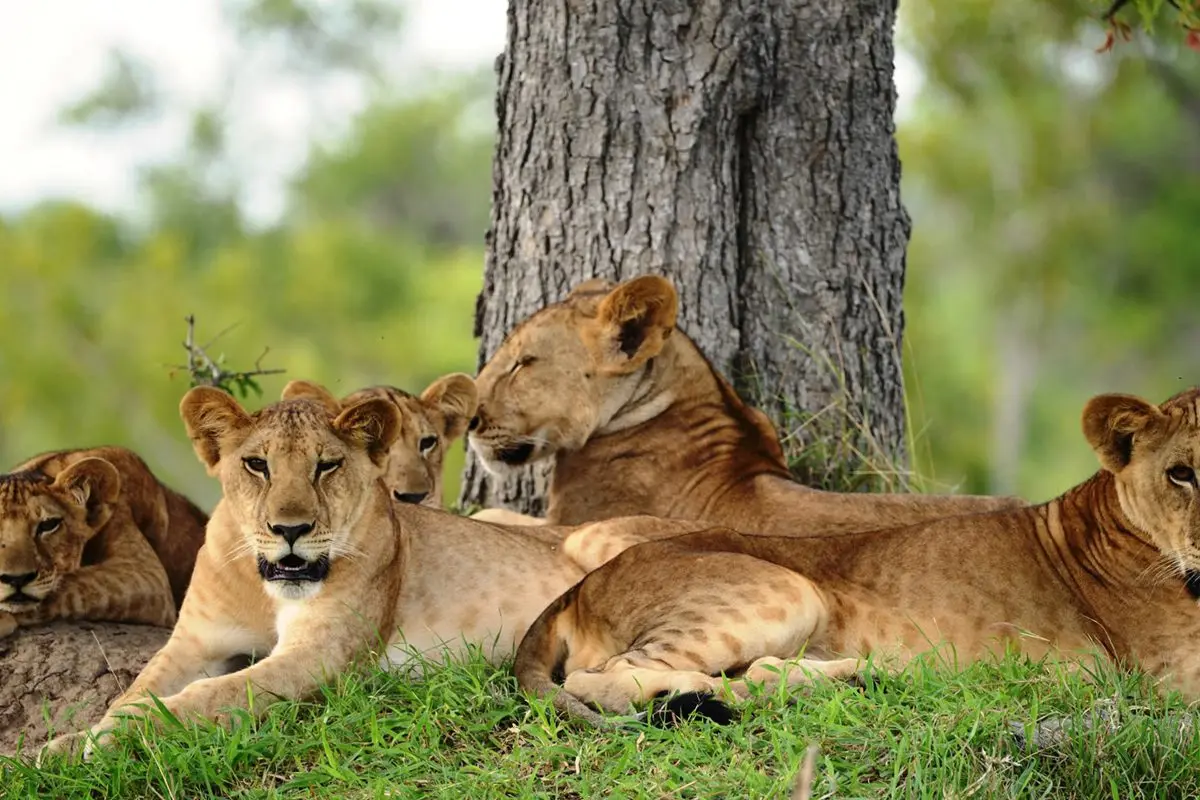
A combined wildlife and beach holiday also gives you flexibility if you have limited time. A five-day trip can include three nights on safari and two nights on Zanzibar. With a week, you can add a third park or extend your beach stay. This mix is especially popular for couples and families who want something for everyone: wildlife enthusiasts get their game drives, while those who prefer the ocean get their swimming and snorkeling.
Practical Considerations
Before booking a safari from Zanzibar, think about your travel style and priorities. If you want maximum time in the parks, choose a fly-in package that minimizes transit. If you prefer a slower pace, consider adding a night in Arusha or on the mainland before heading to the parks. Check the luggage allowance on the small aircraft; it is usually limited to 15-20 kilograms per person for the bush flights. Pack light, with neutral-colored clothing, a hat, sunscreen, binoculars, and a camera with a good zoom lens.
Health precautions are important. Tanzania requires a yellow fever vaccination if you are arriving from a country with risk of the disease. Malaria is present in both Zanzibar and the mainland parks, so prophylactics are recommended. Consult your doctor before traveling. Visas can be obtained on arrival at Zanzibar's airport or in advance online. Most visitors get a tourist visa valid for up to 90 days.
The best time for a safari from Zanzibar depends on what you want to see. For the Great Migration river crossings, plan between July and October. For general wildlife viewing and fewer crowds, the shoulder months of June and November are good. The wet season from December to March offers green landscapes and abundant birdlife, though some roads in the parks can become muddy. Zanzibar's weather is warm year-round, with the main rainy season from March to May. Most travelers find the dry months of June to October ideal for both safari and beach.
Choosing a Tailor-Made Tour
Because of the logistics involved, many visitors prefer a tailor-made tour that handles the flights, transfers, accommodation, and guide. A good operator will ask about your interests, budget, and time frame, then build an itinerary around those parameters. They can suggest which parks to visit based on the current season, book the bush flights, and arrange for a private guide. This kind of personalized service is especially valuable for a safari from Zanzibar, where every hour counts and a well-planned schedule makes the difference between a rushed trip and a relaxed one.
When comparing options, ask about the guide's experience, the type of vehicle used, and the quality of accommodation. Read reviews from past travelers. A reputable company will be transparent about what is included and what is extra. Some packages include meals and drinks; others charge them separately. Clarify the cancellation policy and what happens if a flight is delayed or canceled. Weather can affect bush flights, so having a flexible itinerary or a backup plan is wise.
Final Thoughts
A safari from Zanzibar opens up a world of wildlife without requiring a separate trip to mainland Tanzania. With a short flight, you can trade the sound of waves for the roar of lions and the sight of elephants crossing the savannah. The combination of beach and bush is one of Tanzania's great travel experiences, and with proper planning, it is accessible to anyone with a few days to spare. Focus on choosing the right parks for your interests, book with a reliable operator, and prepare for the climate and health considerations. The rest is about enjoying the journey: the golden light of a Serengeti sunset, the thrill of a leopard sighting, and the simple pleasure of knowing you have seen two sides of a remarkable country in one trip.